


Archives
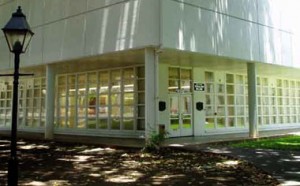
Hawai‘i State Archives collects, preserves and makes available to the public Hawai‘i government records of permanent value.
Do you need help in another language? We will get you a free interpreter. Call (808) 586-0400 to tell us which language you speak.
您需要其它語言嗎?如有需要,請致電 (808) 586-0400, 我們會提供免費翻譯服務
En mi niit alilis lon pwal eu kapas? Sipwe angei emon chon chiaku ngonuk ese kamo. Kokori (808) 586-0400 omw kopwe ureni kich meni kapas ka ani.
Makemake `oe i kokua i pili kekahi `olelo o na `aina `e? Makemake la maua i ki`i `oe mea unuhi manuahi. E kelepona (808) 586-0400 `oe ia la kaua a e ha`ina `oe ia la maua mea `olelo o na `aina `e.
Masapulyo kadi ti tulong iti sabali a pagsasao? Ikkandakayo iti libre nga paraipatarus. Awaganyo ti (808) 586-0400 tapno ibagayo kadakami no ania ti pagsasao nga ar-aramatenyo.
貴方は、他の言語に、助けを必要としていますか ? 私たちは、貴方のために、無料で 通訳を用意で きます。電話番号の、(808) 586-0400 に、電話して、私たちに貴方の話されている 言語を申し出てください。
다른언어로 도움이 필요하십니까? 저희가 무료로 통역을 제공합니다. (808) 586-0400 로 전화해서 사용하는 언어를 알려주십시요
您需要其它语言吗?如有需要,请致电 (808) 586-0400, 我们会提供免费翻译服务
Kwoj aikuij ke jiban kin juon bar kajin? Kim naj lewaj juon am dri ukok eo ejjelok wonen. Kirtok (808) 586-0400 im kwalok non kim kajin ta eo kwo melele im kenono kake.
E te mana'o mia se fesosoani i se isi gagana? Matou te fesosoani e ave atu fua se faaliliu upu mo oe. Vili mai i le numera lea (808) 586-0400 pea e mana'o mia se fesosoani mo se faaliliu upu.
¿Necesita ayuda en otro idioma? Nosotros le ayudaremos a conseguir un intérprete gratuito. Llame al (808) 586-0400 y diganos que idioma habla.
Kailangan ba ninyo ng tulong sa ibang lengguwahe? Ikukuha namin kayo ng libreng tagasalin. Tumawag sa (808) 586-0400 para sabihin kung anong lengguwahe ang nais ninyong gamitin.
คุณต้องการความช่วยเหลือทางด้านภาษาหรือไม่ ทางเราจะจัดหาล่ามฟรีให้คุณ โทรที่เบอร์ (808) 586-0400 และบอกเราว่าคุณพูดภาษาอะไร
Bạn có cần giúp đỡ bằng ngôn ngữ khác không ? Chúng tôi se yêu cầu một người thông dịch viên miễn phí cho bạn. Gọi (808) 586-0400 nói cho chúng tôi biết bạn dùng ngôn ngữ nào.
Gakinahanglan ka ba ug tabang sa imong pinulongan? Amo kang mahatagan ug libre nga maghuhubad. Tawag sa (808) 586-0400 aron magpahibalo kung unsa ang imong sinulti-han.
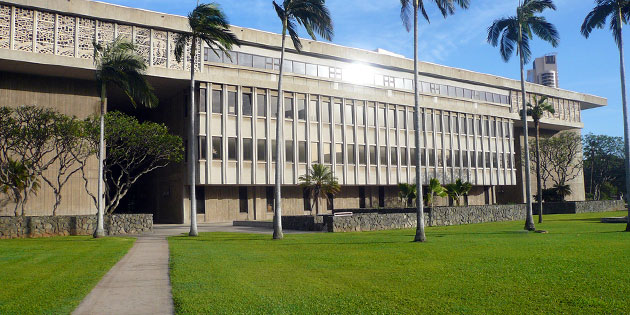
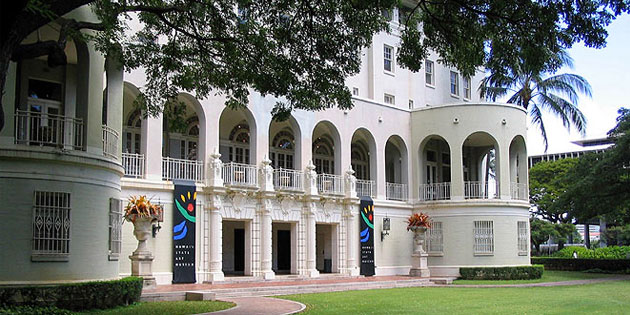
The Department of Accounting and General Services, commonly known as DAGS, is headed by the State Comptroller, who concurrently serves as the director of DAGS. The department is responsible for managing and supervising a wide range of State programs and activities.
Hawai‘i State Archives collects, preserves and makes available to the public Hawai‘i government records of permanent value.
The Land Survey Division's mission is to provide field and office land survey assistance for state agencies.

The Public Works Division plans, coordinates, organizes, directs and controls a variety of engineering and architectural services for the State.