
What is Leptospirosis?
Leptospirosis is a bacterial disease that affects humans and animals. The disease occurs all over the world, but is most common in warm climates. Leptospirosis can infect cattle, pigs, horses, dogs, and wild animals such as rodents (rats, mice), mongoose, and sea mammals.
How do you get it?
You can get leptospirosis by swimming or wading in freshwater puddles, ponds, or streams contaminated with animal urine, or by coming into contact with wet soil or plants contaminated with animal urine. The bacterium enters the body through broken skin or through the soft tissues on the insides of the mouth, nose, or eyes. You can also get it by direct contact to urine, blood, or tissues from an infected animal. Leptospirosis is not spread from person to person.
What are the symptoms of leptospirosis?
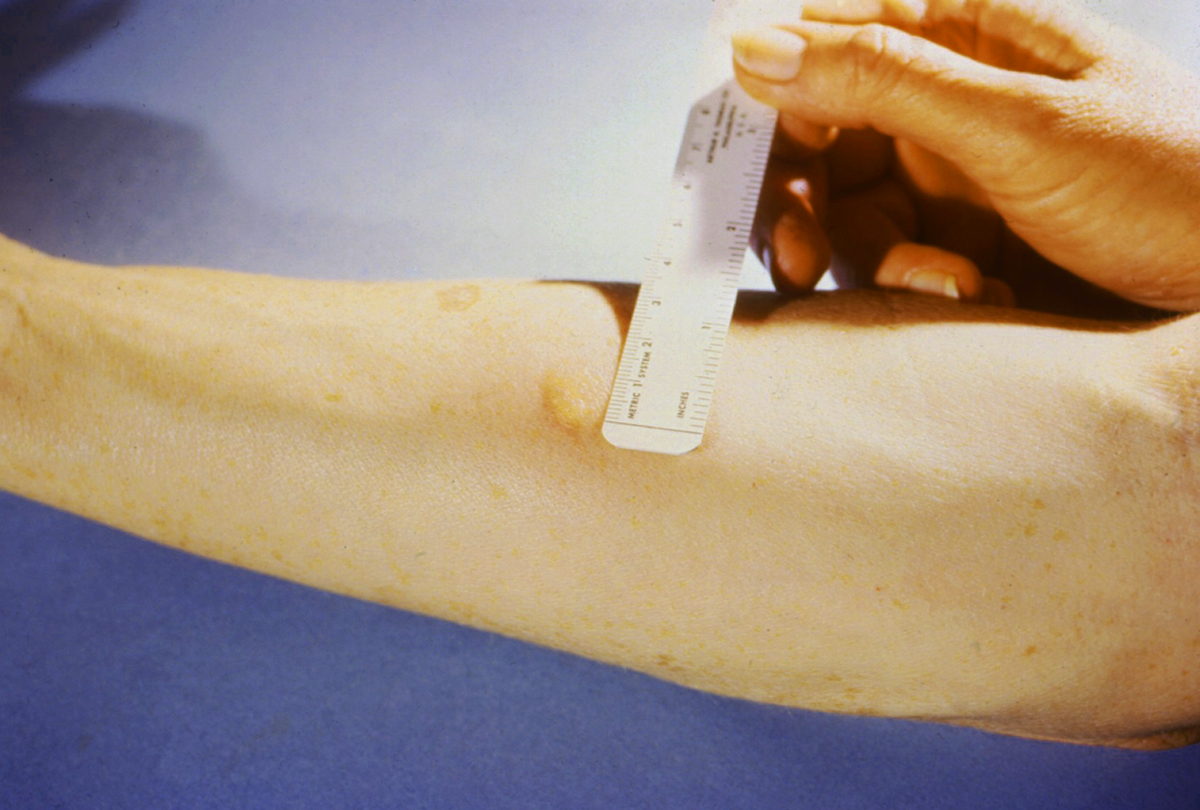
The symptoms include fever, headache, chills, sweating, muscle pain, painful eyes, and vomiting. Occasionally, yellowing (jaundice) of the skin and the whites of the eyes and a rash may also occur. The symptoms may last from a few days to several weeks. In some persons, the infection can be mild and without obvious symptoms. On the other hand, as recently as 2010, liver and kidney failure have been observed.
When do symptoms start?
The symptoms usually start 7 to 14 days after being infected, but the onset can range from 2 to 30 days.
What is the treatment for leptospirosis
A doctor can prescribe medicines to treat leptospirosis. If not treated, the patient can develop meningitis, kidney damage, or liver damage. In rare cases, even death may occur.
How can you keep from getting it?
- Do not swim or wade in any freshwater streams or ponds in Hawaii, especially when you have open cuts or sores. Swimming with your head underwater also increases your risk of infection through the eyes, nose, and mouth.
- Wash your hands thoroughly with soap after using the bathroom, after changing diapers, and before preparing foods.
- Do not drink pond or stream water without boiling or chemically treating it.
- Keep catchment water-collection areas free from overhanging tree branches and prevent access to these areas by animals.
- Control rats, mice, and mongooses in areas around the home and work site with trapping and poisoning, and by removing their nests.
- Wear protective clothing including gloves, boots, long-sleeved shirts, and pants when clearing shrubs or grass, or working in wet soil where leptospirosis is a problem.
- Wear gloves when disposing of dead animals and when gutting (cleaning) livestock or game animals.
- Vaccinate farm animals and pets.