




|
Hansen's Disease
(leprosy)
What is Hansen's disease?
Hansen's disease, formerly called leprosy, is a complex infectious
disease that mainly affects the peripheral nerves. It may also affect
the skin, and other tissues, including the eyes, the inner lining of
the nasal passages, muscles, bones, and testes. The disease is caused
by bacteria called Mycobacterium leprae. There are two forms of
the disease: localized and disseminated. Although anyone can get
Hansen's disease, children seem to get it more often than adults.
Hansen's disease is rare in the United States.
How do you get it?
The exact mechanism(s) by which a person gets Hansen's disease is
unknown, but being in the same household and long-term close contact
are important factors. The bacteria of Hansen's disease probably enter
the body through the nose, and possibly through broken skin. The
bacteria get into the air by breathing in airborne secretory droplets
from a person with untreated Hansen's disease.
What are the symptoms of Hansen's disease?
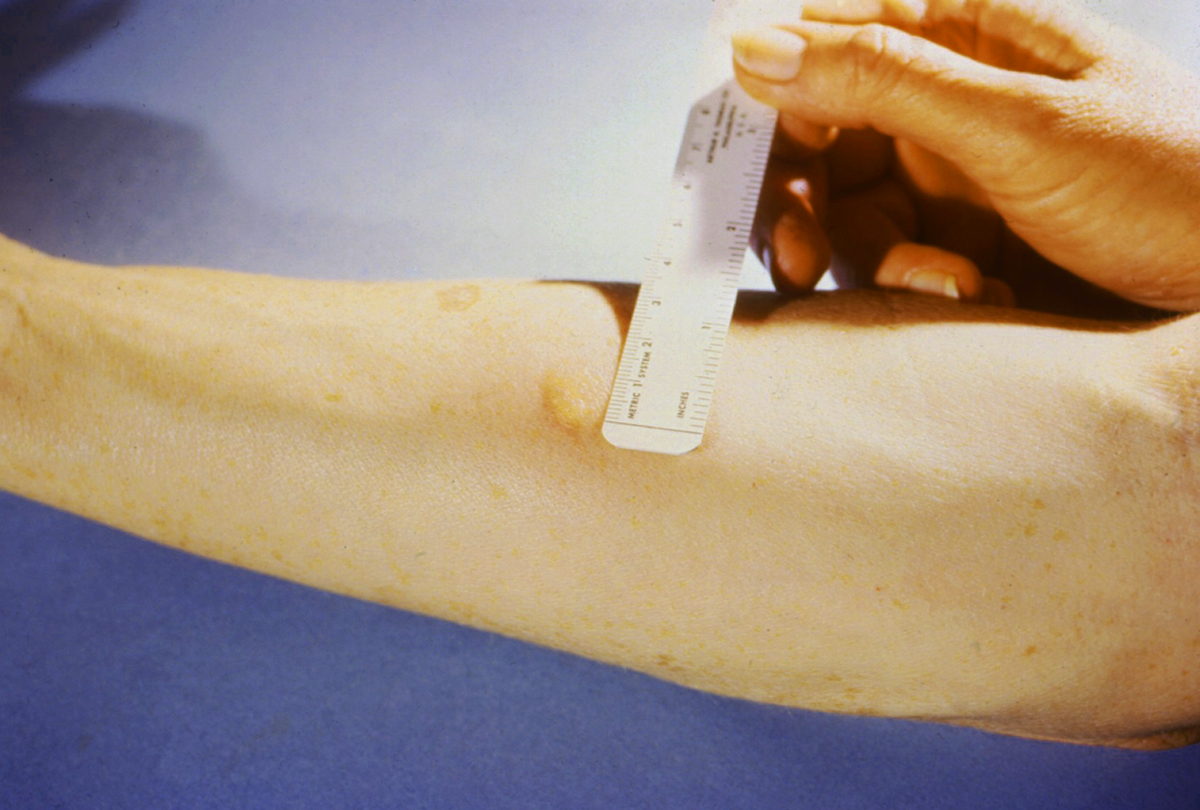
The symptoms of Hansen's disease include skin lesions or
discolorations that may be numb. The nerves in the arms and wrists may
also become swollen and tender. If left untreated, Hansen's disease can
cause nerve damage resulting in loss of muscle control and crippling of
the hands and feet. If the eyes are involved, Hansen's disease may
result in blindness
When do symptoms start?
It usually takes four to eight years for Hansen's disease to
appear.
What is the treatment for Hansen's disease?
Early diagnosis and treatment of persons with the disease are the
keys to preventing permanent disability and controlling the spread of
disease. There are several effective antibacterial medications that a
doctor can prescribe for Hansen's disease. Once drug therapy is
started, Hansen's disease patients can be noninfectious within a few
days.
How do you keep from getting it?
Carefully wash or dispose of handkerchiefs and other items soiled
with secretions from the nose and respiratory tract of Hansen's
patients.
Persons having direct contact with a patient who is still contagious
should be careful to wash their hands.
Household members and close contacts of Hansen's patients should be
examined by a doctor. Checkups are conducted every year for at least
five years following the date of last contact with an untreated
Hansen's patient.
|